


Credit Card Interest Rate Negotiation: Lower Your APR with One Phone Call
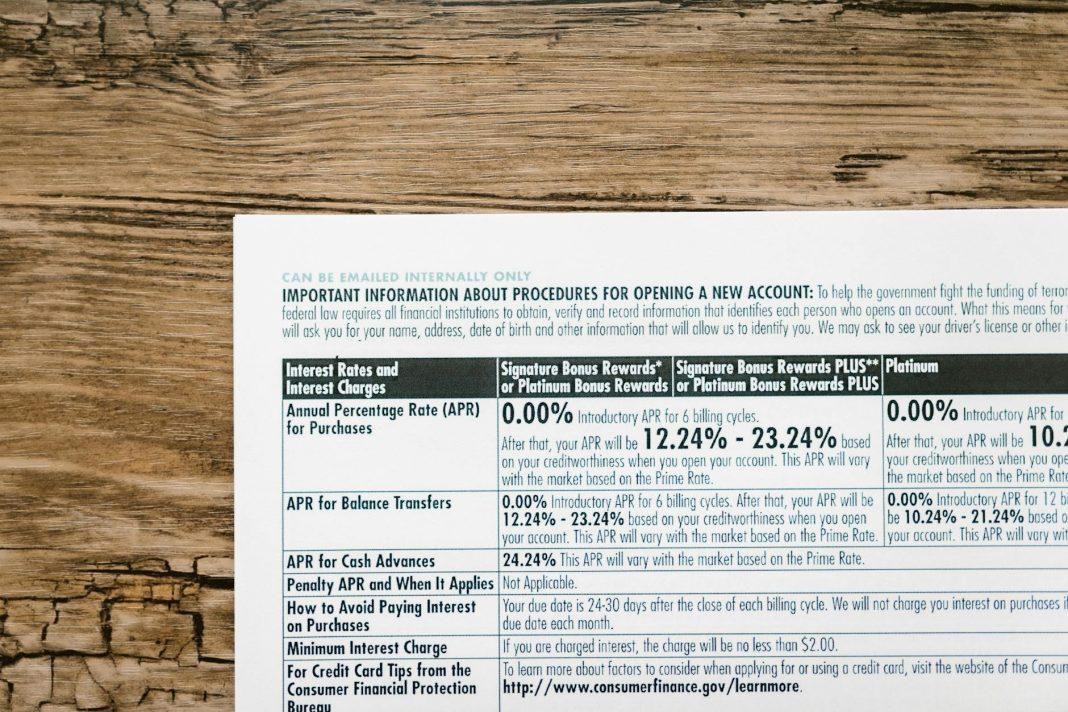
For many consumers, a credit card is an indispensable tool for building credit, managing cash flow, and earning rewards. However, when balances linger or interest rates creep up, that helpful tool can quickly become a financial burden. If you are carrying a balance on your credit card and paying high Annual Percentage Rates (APR), you might be leaving significant money on the table—money that could otherwise go toward paying down your principal or saving for the future.
The good news is that, unlike many other financial contracts, credit card terms are often negotiable. With a single, well-prepared phone call, you can potentially reduce your interest rate, saving hundreds or even thousands of dollars over time. This guide will walk you through the process of negotiating your credit card interest rate, turning a frustrating expense into an opportunity for real savings.
Why Credit Card Companies Negotiate (And When They Will Listen)
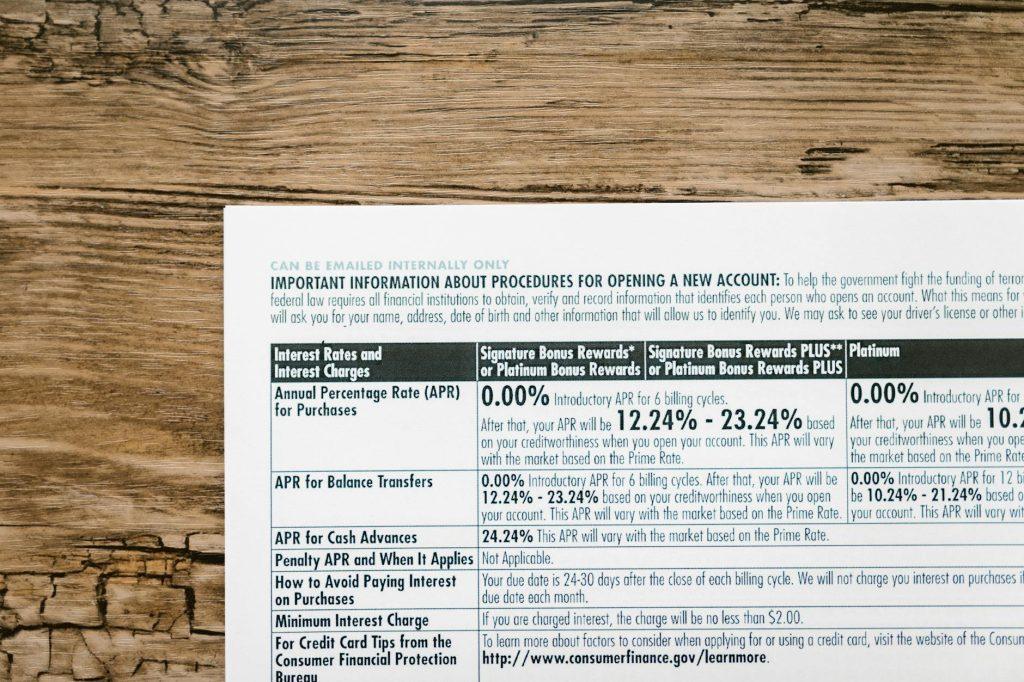
Many cardholders assume their interest rate is fixed and unchangeable, mandated by the fine print they barely read upon opening the account. While the initial APR is set by the issuer based on your creditworthiness at the time of application, ongoing rates are often subject to adjustment—and your issuer is often willing to negotiate to keep your business, especially if you are a valuable customer.
The Issuer’s Perspective
Credit card companies operate on two core principles: volume and profitability. They prefer to earn steady, predictable interest income over having an account go delinquent or, worse, default entirely.
- Retention is Cheaper than Acquisition: It costs credit card companies significant money to acquire new customers (marketing, underwriting, etc.). If you threaten to close your account and move your balance elsewhere, the cost of retaining you with a lower rate is usually much less than the cost of acquiring a replacement customer.
- Healthy Payment History: If you have a long history of on-time payments, even if you currently carry a balance, you demonstrate responsibility. This makes you a low-risk customer they want to keep happy.
- Current Market Rates: If prevailing market rates have dropped since you opened your account (or since your last rate increase based on the prime rate), you have a strong argument for a reduction.
When Are You Most Likely to Succeed?
Certain factors significantly boost your chances of a successful negotiation:
- Good or Excellent Payment History: Your account must be current. If you have missed recent payments or are currently behind, the issuer will likely refuse to negotiate until the account is brought back into good standing.
- Long-Standing Relationship: An account open for three years or more is a better candidate than one opened six months ago.
- Carrying a Balance: If you pay your statement balance in full every month, rate negotiation is irrelevant as you pay no interest. This strategy is aimed squarely at those currently incurring interest charges.
- Competitor Offers: Having concrete evidence of a lower rate elsewhere strengthens your leverage (e.g., a pre-approved 15.99% offer from another bank).
Step 1: Preparation is Paramount
Walking into a negotiation unprepared is the fastest way to hear “no.” Before you dial the number, gather the necessary data and formulate your plan.
Review Your Current Terms
Know your exact APR. Look at your most recent statement and identify the specific interest rates applied to purchases, cash advances, and balance transfers. Note the exact balance you aim to pay down.
Research Competitor Offers
A crucial part of your leverage comes from external validation. Spend an hour researching balance transfer offers or simple low-interest credit card offers from major banks or credit unions.
- Target Rate: Decide what rate you are aiming for. If your current APR is 26.99% and you see offers for 17.99%, make that your goal. Aim slightly lower than your target (e.g., aim for 17.49%) to give yourself room to concede.
- Document Evidence: Have the APRs and promotional terms of competing card offers ready to cite, though you may not need to share the physical documentation.
Determine Your Leverage Points
List the positive aspects of your account history:
- Years as a cardholder.
- Number of on-time payments (ideally 100% over the last 12-24 months).
- The current balance you carry.
Step 2: Making the Call and Navigating the System
The negotiation process begins the moment you call the customer service line listed on the back of your card.
Getting to the Right Department
The first-line customer service representative (CSR) likely lacks the authority to change your APR. Your goal is to politely and quickly be transferred to the department that does have this power.
- Initial Greeting: State clearly that you are calling regarding your interest rate.
- The Ask: Be direct but polite. A good opener is:
“Hello, I’ve been a loyal customer for [X] years and currently carry a balance of [Amount] at an APR of [Current Rate]. I am looking to lower my interest rate to manage this balance more effectively. Can you please transfer me to the department that handles rate adjustments or customer retention?”
If the representative insists they can help, state your case. If they say they cannot change the rate but offer a courtesy credit (a one-time interest waiver), politely decline and reiterate that you need a permanent APR reduction to manage your ongoing debt. If they stall, use the phrase “customer retention specialist” or “account services.”
Executing the Negotiation Script
Once you reach the specialist, reiterate your key points. Keep your tone calm, respectful, and firm.
The Soft Approach (Appealing to Loyalty):
Lead with your positive history and the desire to remain a customer.
- “I value my long-standing relationship with [Bank Name], but honestly, my current 24.99% APR is making it very difficult to pay down my principal balance. I plan to pay off this card completely within the next 18 months. To make that feasible, I need a more competitive rate. I am hoping you can offer me a reduction down to around 18%.”
The Hard Approach (Using Competition):
If the soft approach doesn’t yield results quickly, introduce the competitor data.
- “I’ve reviewed my options, and I currently have a strong offer from [Competitor Bank] for a balance transfer at 16.99%. I would much prefer to keep my balance here with you, given our history, but if you cannot reduce my rate closer to that competitive offering, I will be forced to move my balance to avoid paying this high interest.”
Handling Objections:
| Objection from CSR | Your Polite Response |
|---|---|
| “Your credit score doesn’t support a lower rate.” | “I understand, but I have maintained 100% on-time payments for the last three years. Could you review my payment history specifically, rather than just the initial credit check?” |
| “We cannot go below [High Rate X].” | “I appreciate that you can only go down slightly. Can we meet in the middle at [Slightly Lower Rate]? If you can get me to 19.5%, I can commit to keeping the balance here for the next year.” |
| “I need a reason for the reduction.” | “The reason is competitive market pricing and my strong payment history showing I am a reliable borrower who aims to pay off this balance efficiently.” |
The Ultimate Threat (Use Sparingly):
If the representative seems unable or unwilling to help, you can escalate slightly by mentioning closing the account, but frame it as dissolving the relationship, not just leaving the debt.
“I understand. Since we cannot align on a manageable interest rate for me to pay off this debt here, I will need to transfer the balance elsewhere. Before I do that, is there truly no one else I can speak to who has the authority to lower this rate?”
Step 3: Confirmation and Follow-Up
If the representative agrees to a lower rate, your negotiation is not over until you have confirmation.
Verbal Confirmation and Documentation
- Ask for the Specifics: Ask for the exact new APR, the date it will take effect, and any conditions attached (e.g., “This new rate is conditional on no further late payments”).
- Request Confirmation in Writing: Ask the representative to send an email or letter confirming the date the new APR will appear on your statement. Have them note your account that the change was made today, [Date], via phone call.
- Note Taking: Write down the representative’s name, ID number, the time of the call, and the finalized new interest rate.
The Waiting Game
Interest rate changes typically take one full billing cycle (one statement period) to take effect. Ensure you track your next statement to confirm the new, reduced APR is reflected. If it is not reflected by the date promised, call back immediately, reference your notes, and ensure the change is processed.
Beyond APR: Other Avenues for Negotiation
While the APR is often the highest-value negotiation point, don’t overlook these other common fees and terms:
1. Annual Fees
If you pay an annual fee, this is often the easiest term to negotiate away, especially if you are a highly valued customer or if the fee has recently increased.
- The Approach: “I see $(Amount) annual fee is hitting my account soon. I’m considering closing the account to avoid it. Could you waive or remove this fee for this year, given my loyalty?”
- The Outcome: Issuers often waive the fee as a one-time courtesy to retain you, sometimes even if they couldn’t lower the APR.
2. Late Fees
While less flexible, if this is your first late payment in years, call immediately after realizing the error.
- The Approach: “I realize my payment was one day late this cycle, which I sincerely apologize for. I have a perfect payment history otherwise. Would you be willing to waive this late fee as a one-time courtesy?”
Conclusion: Taking Control of Your Finances
Negotiating your credit card interest rate removes a major barrier between you and financial freedom. Many people pay hundreds of dollars more than they need to simply because they assume the initial terms are set in stone.
By being prepared, researching your options, and making a calm, direct call to the right specialist, you can successfully lower your APR. This single action shifts money from the bank’s pocket directly back into yours, accelerating your debt repayment and reducing the overall cost of borrowing. Don’t let high interest drain your budget; make that phone call today and start saving.