


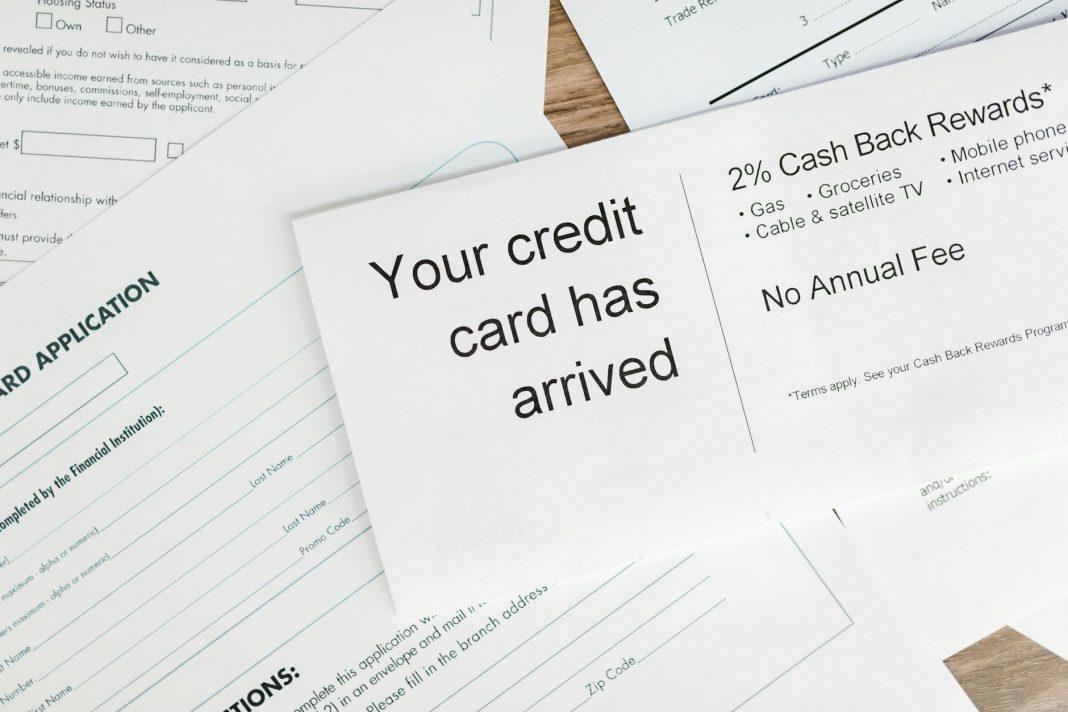
Best Rewards Credit Cards 2026: Maximize Cash Back on Every Purchase
The landscape of credit card rewards is constantly evolving. As we look ahead to 2026, the focus remains sharp: maximizing value from every dollar spent. Whether you’re aiming for travel upgrades, significant statement credits, or just plain cash back deposited directly into your account, the right card can turn mundane transactions into meaningful savings.
Choosing the “best” card is highly personal, dependent on your spending habits, credit health, and redemption goals. However, several leading platforms and structures are positioning themselves to offer superior value in the coming year. This deep dive explores the top contenders and strategies to ensure you are maximizing cash back on everything you buy in 2026.
Navigating the 2026 Credit Card Landscape
Before diving into specific cards, it’s crucial to understand the trends shaping the rewards ecosystem for 2026. Issuers are increasingly refining their categories, offering tiered bonuses, and making premium travel perks more exclusive. For pure cash back maximization, flexibility and simplicity remain key selling points.
The Three Pillars of Cash Back Rewards
Most cash back strategies fall into one of three main categories:
- Flat-Rate Cash Back: Offering the same high percentage (typically 1.5% or 2%) on every purchase, regardless of category. Best for simplicity and those who don’t want to track rotating categories.
- Tiered/Bonus Category Cards: Offering elevated rates (3%, 4%, or even 5%) on specific spending areas like groceries, gas, or dining. Best for consumers whose spending is concentrated in predictable areas.
- Rotating Category Cards: Offering the highest potential rates (often 5%) but requiring the cardholder to activate categories that change quarterly (e.g., Amazon in Q1, Gas in Q2).
For readers prioritizing straightforward cash back maximization in 2026, a blend of a strong flat-rate card and a specialized category earner usually yields the highest returns.
Top Contenders for Flat-Rate Cash Back in 2026
If your goal is the simplest path to high returns, a premium flat-rate card is essential. These cards eliminate the headache of tracking bonus categories while still delivering substantial rewards.
1. The Unbeatable Baseline: The 2% All-Stars
Cards that offer a consistent 2% cash back on every purchase are the workhorses of any rewards portfolio. In 2026, these cards remain highly competitive, often boasting no annual fee.
- Why They Matter: For everyday spending where bonus categories don’t apply (e.g., utility payments, home maintenance, most online shopping), 2% represents the ceiling of general earning potential.
- Key Consideration: Look for cards that offer the 2% payout as a straightforward statement credit or deposit, avoiding complex redemption minimums.
2. The 1.5% Catch-Up: Strong Contenders with Higher Sign-Up Bonuses
While 2% is the benchmark, some exceptional cards offer 1.5% back but compensate with massive introductory bonus offers or unique redemption options (such as investment contributions). If you can leverage a $500+ sign-up bonus early in the year, the initial return outweighs the slightly lower ongoing rate.
Mastering Bonus Categories: The High-Earner Strategy
To genuinely maximize cash back in 2026, you must allocate spending to cards featuring elevated category bonuses. If you spend $1,500 monthly on groceries, earning 4% instead of 2% yields an extra $30 per month, or $360 annually, without spending an extra cent.
The Grocery and Dining Powerhouses (3% to 5%)
Food remains one of the largest monthly expenses for most households. Cards targeting grocery stores and restaurants consistently offer the best ongoing value here.
| Category | Ideal Earning Rate (2026 Target) | Why It Matters |
|---|---|---|
| Groceries | 4% – 5% | Essential spending that accrues rapidly. |
| Dining/Takeout | 3% – 4% | A flexible category that captures leisure spending. |
| Gas/Transit | 3% – 4% | Essential for commuters; these categories are often paired. |
Example Scenario: A card offering 4% back on groceries means a $500 monthly grocery bill earns $20 back, compared to $10 on a flat-rate card.
The Rotating Category Challenge (5% Potential)
Cards featuring rotating quarterly categories (like gas, streaming services, or pharmacies) offer the highest stated rates, usually capped at a certain spending threshold (e.g., $1,500 per quarter).
Maximization Tip for 2026: Do not let a 5% category pass unused. Set calendar reminders for the beginning of each quarter to activate the new category via the issuer’s portal. If streaming services are 5% in Q1, shift all monthly subscription payments to that card immediately.
Specialized Earning: Leveraging Niche Markets
The best rewards strategies utilize cards that perfectly align with non-traditional major spending areas.
Online Shopping and Digital Wallets
As e-commerce continues its dominance into 2026, cards offering rewards for online purchases or digital wallet usage (Apple Pay, Google Pay) are becoming incredibly valuable.
- Digital Wallet Bonuses: Some issuers are heavily incentivizing the use of mobile payments, sometimes offering 3% back on all purchases made via a digital wallet, effectively boosting the return on many everyday transactions.
- Co-Branded Retail Cards (Use with Caution): While store-specific cards (like Amazon or Target) might offer 5% back at that specific retailer, their utility outside that ecosystem is usually poor. They are best used only if the retailer is your primary place of purchase.
Travel and Transportation Rewards
Even if your goal is pure cash back, many travel-oriented cards offer excellent cash back redemption paths.
If a travel card offers 2x points per dollar, and you know the points are reliably worth 1 cent each when redeemed for a statement credit, that translates directly to a 2% cash back rate. The advantage here is flexibility: you can choose to use the points for travel or redeem them as cash back when the need arises.
The Annual Fee Trade-Off: Calculating True Value
A crucial part of maximizing rewards in 2026 is understanding when an annual fee is worth the cost. A card with a $95 annual fee must generate more than $95 in extra rewards (above what your no-fee flat-rate card would earn you) to justify its existence.
Value Assessment Checklist:
- Sign-Up Bonus: Does the introductory bonus offset the fee for the first year? (A $200 bonus easily covers a $95 fee.)
- Annual Credits: Does the card offer annual credits that offset the fee dollar-for-dollar? (e.g., a $100 dining credit canceling out a $95 fee).
- Category Uplift: How much more will you earn on your primary spending categories compared to your existing portfolio?
If a $250 annual fee card offers 5% on $10,000 of your spending (where you’d normally get 2%), the net gain is $300 in rewards, making the fee an excellent investment. If you spend little, stick to no-fee options.
Best Practices for Maintaining Maximum Returns in 2026
Having the right cards is only half the battle; utilizing them correctly dictates your total yield.
1. The “Wallet Shuffle” Strategy
This involves strategically placing purchases on the card most optimized for that exact transaction.
- Example Flow:
- Gas purchase $rightarrow$ Card X (3% Gas Bonus)
- Weekly Groceries $rightarrow$ Card Y (4% Grocery Bonus)
- Online subscription renewal $rightarrow$ Card Z (3% Digital Wallet Bonus)
- All other spending $rightarrow$ Card A (2% Flat Rate)
2. Watch Spending Caps and Annual Adjustments
Issuers frequently adjust the spending caps on their highest-tier rotating categories. Regularly check your card issuer’s portal mid-year to ensure you haven’t accidentally exceeded a threshold, causing subsequent purchases in that category to revert to a lesser rate (e.g., dropping from 5% to 1%).
3. Automate Payments to Avoid Interest
Zero interest payments are the bedrock of credit card rewards. If you carry a balance, the interest paid will almost always negate any cash back earned. Automate full payments to ensure you enjoy your rewards without costly setbacks.
Conclusion: Your Personalized Rewards Blueprint
The best rewards credit cards of 2026 aren’t necessarily the ones with the flashiest marketing; they are the cards that perfectly integrate with your distinct spending profile.
To truly maximize cash back, commit to a tiered system: secure a top-tier flat-rate 2% card as your universal backup, identify two or three category cards that align with your top two spending areas (likely groceries, dining, or gas), and vigilantly use them according to their bonus structures. By adopting this methodical approach, your credit card rewards will become a substantial, reliable source of savings throughout the year.