


Credit Inquiries Impact: Hard Pull vs Soft Pull Explained
Understanding how applications for credit affect your credit score is a crucial piece of financial literacy. Many people worry unnecessarily about checking their own credit reports, while others might be blindsided by a sudden dip after applying for a new credit card or loan. The key to demystifying this lies in understanding the two primary types of credit inquiries: the Hard Pull and the Soft Pull.
While both involve a lender or financial institution reviewing your credit report, their purpose, visibility, and impact on your credit score are vastly different. This guide will break down exactly what each type of inquiry entails, when they occur, and how to manage their effects.
What is a Credit Inquiry?

A credit inquiry is simply a record of any time a third party accesses or requests to view your credit report from one of the three major credit bureaus (Equifax, Experian, or TransUnion). These requests are logged as “inquiries” on your credit file.
Credit scoring models, like FICO and VantageScore, track these inquiries because a sudden flurry of activity can signal increased risk to lenders. People who rapidly open several new lines of credit might be viewed as desperate for funds or prone to overextending themselves.
However, not all inquiries signal the same level of risk, which is why the distinction between a hard and soft pull is vital.
The Soft Pull: The Harmless Review
A soft inquiry, often called a soft pull or soft check, occurs when a person or company reviews your credit report for informational purposes, typically without you actively applying for new credit at that moment.
Soft pulls are generally precautionary, promotional, or self-initiated reviews.
Characteristics of a Soft Pull
- No Impact on Score: The most significant characteristic of a soft pull is that it does not affect your credit score whatsoever. Credit scoring models ignore these inquiries completely.
- Visibility: Soft pulls are visible only to you when you review your own credit report. Lenders performing a hard pull cannot see the soft inquiries made by other parties.
- Permission: While sometimes requiring implied consent (like agreeing to terms and conditions), soft pulls often happen without your direct, explicit application.
Common Examples of Soft Pulls
Soft pulls happen frequently in the background of your routine financial life:
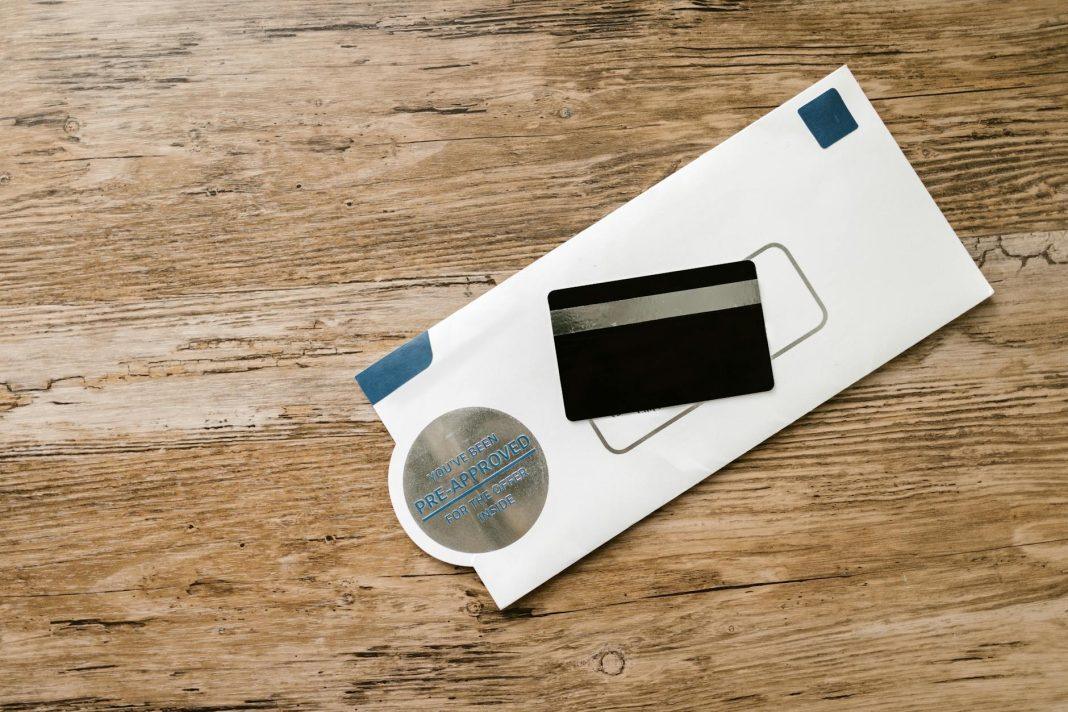
- Pre-Approved Offers: When credit card companies or lenders check your file to see if you meet the criteria for a “pre-approved” offer they mail to you.
- Existing Creditor Reviews: Your current credit card company or loan provider periodically checks your file to monitor your ongoing credit health, often determining if they should increase your credit limit or change your interest rate.
- Insurance Quotes: Auto or homeowners insurance companies may pull your file as part of setting your premiums.
- Employment Screening: Employers conducting background checks (with your signed permission) may perform a soft pull to assess financial responsibility.
- Checking Your Own Credit: When you check your own score or report through a free service or direct bureau access.
If you check your score every week, you will see a new soft inquiry added each time, but your score will remain unchanged.
The Hard Pull: The Application Trigger
A hard inquiry, or hard pull, occurs when you explicitly authorize a lender to review your credit report because you are actively seeking new credit that involves a significant financial obligation.
Hard inquiries are the financial equivalent of sending up a flag to other potential lenders: “I am looking for money.”
Characteristics of a Hard Pull
- Credit Score Impact: Hard pulls cause a small, temporary dip in your credit score—usually about 5 points or less per inquiry. The damage is minimal if done sparingly.
- Longevity: Hard inquiries remain on your credit report for two years, though their impact on your score generally diminishes significantly after 3 to 6 months.
- Visibility: All future lenders reviewing your report can see hard inquiries. This visibility is what causes the scoring impact, as too many in a short time suggests risk.
- Requires Permission: A lender must have your explicit permission (usually through a signed application or electronic consent) to perform a hard pull.
Common Examples of Hard Pulls
Hard pulls are directly linked to applications for tangible credit products:
- Applying for a new credit card.
- Applying for an auto loan or car lease.
- Applying for a mortgage or home equity loan.
- Applying for a personal loan.
- Applying for a student loan.
- Sometimes, opening a new cell phone contract or utility account can trigger a hard pull, though this is less common with established providers.
Navigating Rate Shopping: The Multi-Inquiry Grace Period
One of the most common misconceptions about hard pulls is that applying for multiple credit cards or loans for the same purpose within a short timeframe will exponentially damage your score. Fortunately, credit scoring models provide relief for rate shopping.
The Scoring Bump Logic
Lenders understand consumers need to shop around for the best interest rates on major loans like mortgages or auto loans. If applying to five different mortgage lenders resulted in five significant score drops, no one would shop around.
To account for this legitimate shopping behavior, credit scoring models treat multiple hard inquiries for the same type of loan within a specific window as a single inquiry.
The grace period varies slightly depending on the scoring model being used, but generally falls into these ranges:
- FICO Score: Typically consolidates inquiries made within a 14-day to 45-day window.
- VantageScore: Generally consolidates inquiries made within a 14-day window.
This means if you apply for three different auto loans within two weeks, only one hard pull will likely count against your score. If you space those applications out over three months, they will each count individually.
Important Note: This grace period only applies to rate shopping for single-purpose loans (mortgages, auto, student loans). It does not apply if you are applying for multiple different types of credit simultaneously (e.g., a credit card, a personal loan, and a mortgage all in one week). Each of those will count separately.
Practical Strategies for Managing Inquiries
Managing hard inquiries is about being strategic with your applications. Since soft pulls pose no risk, you can safely check your credit whenever you like.
1. Be Selective About Hard Pulls
Only authorize a hard pull when you are serious about opening a new line of credit. Do not apply for a credit card just to see if you might get approved.
2. Space Out Major Applications
If you are applying for a mortgage, wait until that process is complete (or has cooled down) before applying for a new credit card or an auto loan. Give your score at least three to six months to absorb the impact of one major application before starting another.
3. Utilize Soft Pulls for Pre-Screening
Before officially applying for a credit card, many issuers offer a pre-qualification tool on their website. These tools use a soft pull to determine if you are likely to be approved. If the pre-qualification comes back positive, then proceed with the formal application, which will trigger the necessary hard pull.
4. Monitor for Unauthorized Inquiries
Because hard inquiries require your consent, they are a good way to spot potential identity theft. If you see a hard pull on your report that you did not authorize, it is an immediate red flag that someone may have misused your personal information. You should dispute this immediately with the credit bureau.
5. Understand the Weight on Your Score
Hard inquiries typically account for about $text{10%}$ of your total FICO score calculation (categorized under “New Credit”). While a single inquiry is minor, a pattern of many hard inquiries in a short period suggests a higher risk profile and can cause a more noticeable score reduction, especially if your credit file is relatively new or thin (lacking established history).
Conclusion
The difference between a hard pull and a soft pull boils down to intent and consequence. A soft pull is a low-stakes review that leaves your credit score untouched, often happening behind the scenes as banks track your existing relationship with them or send you unsolicited offers.
A hard pull, conversely, is the result of your explicit application for new debt. It carries a small, temporary cost to your credit score but is a necessary step in securing major financing when needed. By understanding the distinction and leveraging the shopping grace periods, you can control your credit health while confidently seeking the financing necessary to meet your financial goals.