


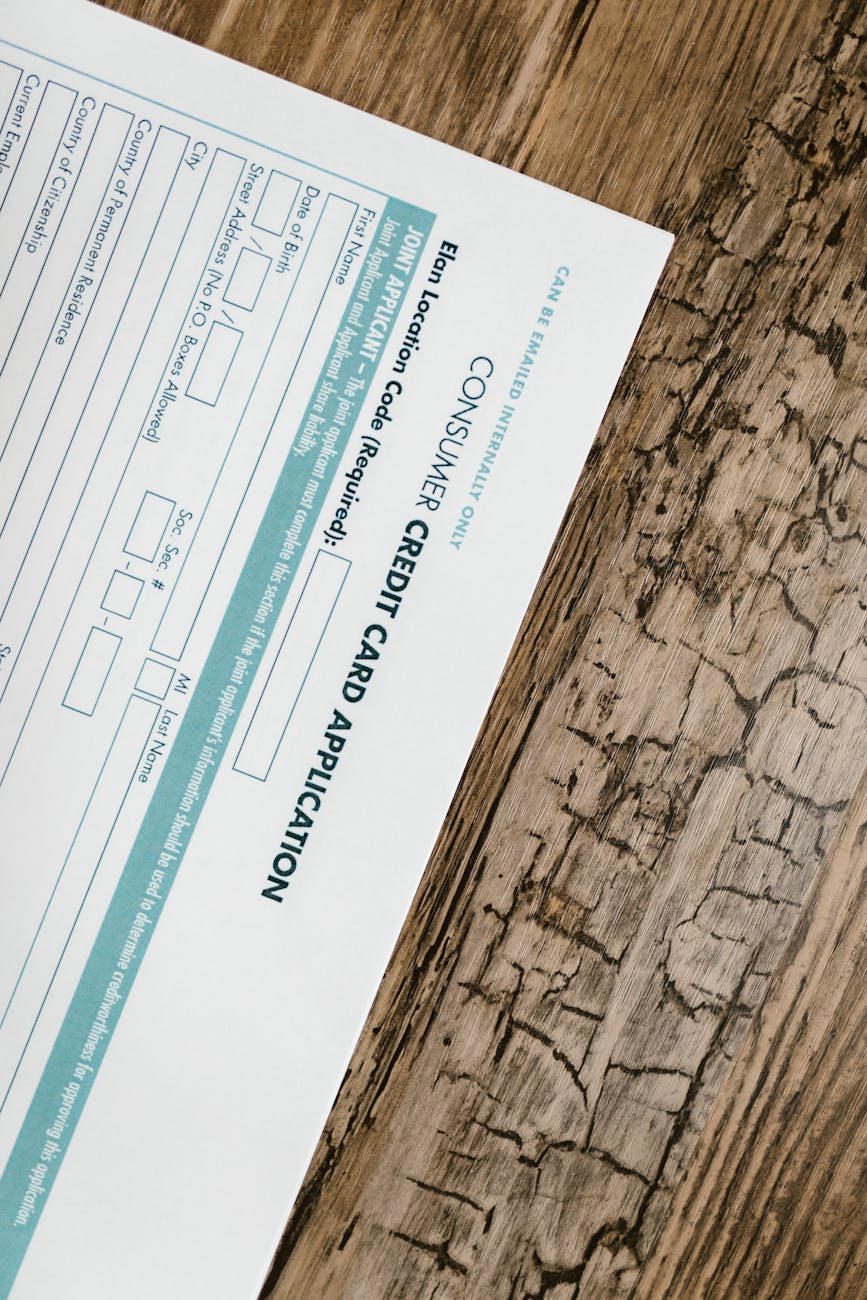
Bad Credit Loans Guaranteed Approval: Navigating the Reality of Emergency Cash Fast with Lower Rates
When an unexpected financial emergency strikes—a sudden medical bill, urgent car repair, or a pressing home maintenance issue—the need for fast cash becomes paramount. For many, especially those grappling with past financial missteps, the biggest hurdle is a low credit score. This leads many desperate borrowers straight to search terms like “bad credit loans guaranteed approval.”
The promise of “guaranteed approval” sounds like a lifeline in a storm. But what does this phrase truly mean in the lending landscape, and is it a realistic promise for anyone seeking emergency cash with low rates?
This comprehensive guide will demystify the concept of guaranteed approval, explore the mechanisms behind bad credit lending, and outline the most viable paths to securing the emergency funds you need without falling prey to predatory offers.
Understanding the Myth of Guaranteed Approval
The term “guaranteed approval” is the biggest red flag in the lending industry. In the realm of legitimate, regulated lending, true 100% guaranteed approval does not exist.
Lenders, whether traditional banks, credit unions, or legitimate online platforms, must adhere to responsible lending regulations. These regulations require them to assess a borrower’s ability to repay the loan. If a lender approves a loan without evaluating risk, they are often engaging in deceptive or predatory practices.
Why Lenders Cannot Guarantee Approval
- Regulatory Compliance (Ability to Repay): Federal and state laws often require lenders to verify income and assess debt-to-income ratios. An approval without this check is risky for both parties.
- Risk Management: Lenders are businesses aiming to profit. Approving every applicant, regardless of their financial profile, dramatically increases their risk of default, which they mitigate through thorough vetting.
- The Fine Print: When you see “guaranteed approval,” it often refers to guaranteed pre-approval based only on minimal information (like your intent to apply), not final loan disbursement.
What “Guaranteed Approval” Often Means Instead
In the context of bad credit loans, this phrase is usually marketing jargon that translates to one of the following:
- Guaranteed Acceptance to an Aggregator Network: You are guaranteed to be matched with some lender, but not necessarily approved by that lender.
- Approval for Secured Loans: If you offer collateral (like a car title), approval is much more likely, but the collateral itself guarantees the loan, not the borrower’s credit score.
- High-Cost/Short-Term Loans: Lenders offering near-guaranteed approval are often associated with payday loans or high-interest installment loans where the risk is managed through exceptionally high Annual Percentage Rates (APRs).
Navigating Loans for Bad Credit: Real Options
If your credit score is low (generally considered below 620), you must adjust your expectations regarding interest rates and terms. While guaranteed approval is fantasy, highly accessible approval from specialized lenders is very real.
1. Secured Loans: Leveraging Assets for Lower Rates
The most effective way to secure a lower interest rate when you have poor credit is by removing the risk from the transaction through collateral.
Examples of Secured Loans:
- Title Loans: You use your vehicle as collateral. Approval is faster and rates are often lower than unsecured options, but the danger is losing your car if you default.
- Secured Personal Loans: Some credit unions or community banks offer these, requiring you to pledge savings account funds or a Certificate of Deposit (CD) as collateral.
Why they work: Because the lender can recoup their money by taking the asset, they are less reliant on your credit history.
2. Credit Unions and Community Banks
These non-profit or local institutions often prioritize community service over maximum profit. They are more likely to look beyond a low FICO score and assess your overall financial behavior, such as consistent utility bill payments or a long-standing banking relationship.
Action Step: Visit your local credit union and inquire about “payday alternative loans” (PALs), which are designed specifically for emergencies for members with lower credit ratings.
3. Online Installment Lenders Specializing in Subprime Lending
Many reputable online lenders focus specifically on borrowers with fair to poor credit. While their rates will be higher than prime rates, they offer transparency and structured repayment plans, making them a safer alternative to payday lenders.
Key Criteria These Lenders Look For:
- Consistent Income: Proof of steady employment (usually 6+ months).
- Low Debt-to-Income Ratio (DTI): Even if your credit score is low, if your debt load is small relative to your income, you look like a better repayment risk.
- Co-signers (If Applicable): A cosigner with good credit can drastically reduce your interest rate.
The Search for “Low Rates” with Bad Credit
The primary trade-off when securing an emergency loan with poor credit is the interest rate. Lenders compensate for the high risk of default by charging significantly more for the money borrowed. Finding rates that are truly “low” is challenging, but the goal should be finding the lowest possible rate among the subprime market.
Comparing APRs: More Than Just the Interest Rate
When chasing emergency cash, never focus solely on the advertised monthly payment or simple interest rate. You must look at the Annual Percentage Rate (APR), which includes all fees, origination charges, and interest.
| Loan Type | Typical APR Range (Poor Credit) | Key Consideration |
|---|---|---|
| Payday Loans | 300% – 780% | Extremely short-term; predatory risk |
| Online Installment Loans | 36% – 150% | Fixed repayment schedule; manageable risk |
| Secured Loans (Title/Savings) | 15% – 40% | Risk of losing collateral or freezing savings |
| Credit Union PALs | 25% (Legally Capped) | Best rates, but often strict membership rules |
Strategy for Lowering Your APR:
- Prepare Documentation: Before applying, gather pay stubs, bank statements, and proof of address. Lenders who don’t require much documentation usually charge the highest rates.
- Pre-Qualify Without Harming Credit: Use lenders who offer pre-qualification checks using a “soft pull” of your credit report, allowing you to compare estimated APRs from several sources without lowering your score further.
- Borrow Less: The less money you borrow, the less interest you will pay overall, even if the APR remains high. Only request the exact amount needed for the emergency.
Pitfalls to Avoid: Dangers of Predatory Lending
The desperation that fuels searches for “guaranteed approval” often leads borrowers directly into harmful financial products. Protect your future financial health by recognizing and avoiding these traps:
1. Payday Lenders
These loans provide small amounts of cash, payable in full by your next payday, often with fees equivalent to hundreds of percent APR. If you cannot pay the lump sum back, you roll the loan over, incurring new fees, creating a devastating debt cycle.
2. Advertisements Promising Zero Credit Checks
Lenders who claim they don’t check credit are typically dealing in extremely high-risk, high-cost lending. Legitimate lenders need some idea of your repayment capacity; those who don’t care are usually the most exploitative.
3. Upfront Fees for Approval
No legitimate lender requires you to pay an insurance fee, processing fee, or “guarantee deposit” before the funds are disbursed. If a lender asks for money upfront to secure your loan, this is a common scam.
4. Hidden Fees and Balloon Payments
Always read the fine print regarding origination fees, late payment penalties, and prepayment penalties. A low quoted rate can balloon into an unaffordable payment plan if hidden fees are added. Demand a clear amortization schedule.
A Step-by-Step Plan for Securing Emergency Funds
Instead of waiting for a non-existent “guaranteed approval,” adopt a proactive, multi-tiered approach focused on responsible borrowing:
- Triage the Emergency: Determine the absolute minimum amount needed to resolve the crisis.
- Check Internal Resources First: Can you use savings, draw on emergency credit cards (if rates are manageable), or negotiate a payment plan with the service provider (e.g., hospital, mechanic)?
- Contact Credit Unions/PALs: These are your best shot for the lowest rates available to a subprime borrower.
- Shop Online Installment Lenders: Use pre-qualification tools from reputable online lenders to compare conditional APRs from several companies.
- Consider a Co-signer: If you have a trusted family member or friend willing to legally back the loan, their credit profile can secure you a prime rate, but ensure you can absolutely make every payment to protect their credit as well.
- Apply with the Best Offer Only: Once you have compared APRs, apply to the single best, most transparent offer.
Conclusion: Reality Over Guarantee
The search for “bad credit loans guaranteed approval” is understandable when facing an immediate financial crisis. However, embracing the reality that legitimate lenders must evaluate risk is the first step toward a successful outcome.
While you may not find a loan that requires zero scrutiny, by focusing on secured options, exploring community financial institutions, and rigorously comparing the APRs of specialized online lenders, you can move past the myth of guaranteed approval. This methodical approach allows you to secure the necessary emergency cash while mitigating the risk of unsustainable debt, keeping you on the path to long-term financial recovery.