


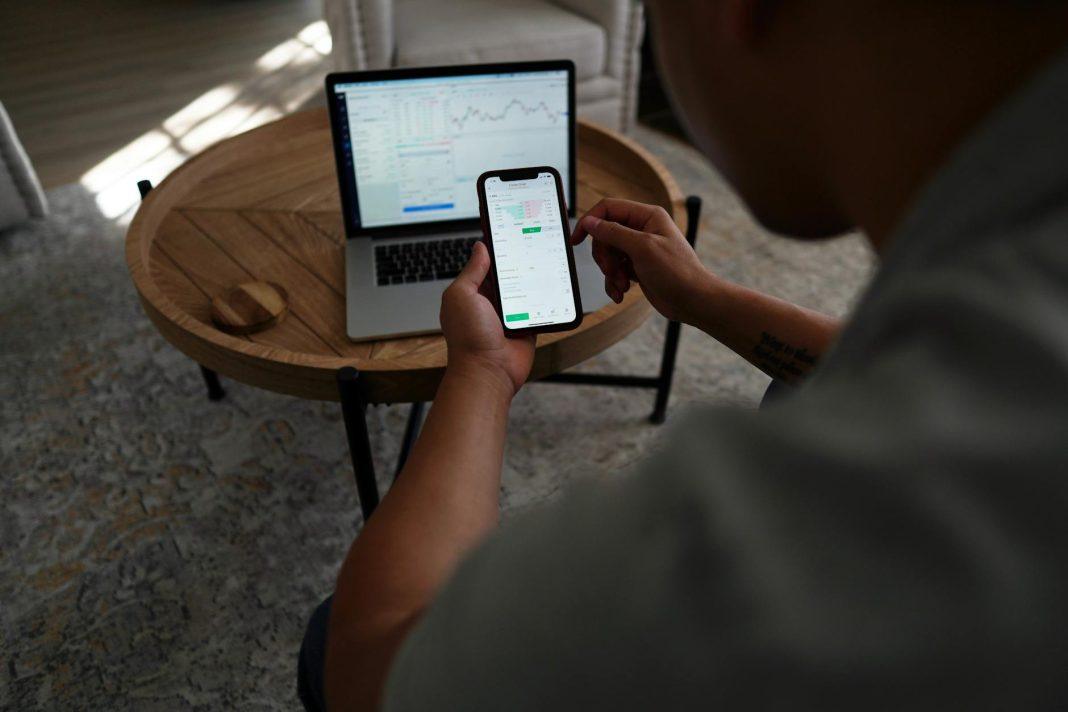
Best Brokerage Accounts 2026: Lowest Fees and Best Investment Tools Compared
The year 2026 marks a fascinating inflection point in the world of online investing. While commission-free trading has become the expected baseline, the real battleground has shifted. Today’s leading discount brokerages compete fiercely on the nuances: the quality of their educational resources, the sophistication of their proprietary trading platforms, the depth of their fractional share offerings, and perhaps most importantly, the transparency and structure of their underlying fee schedules.
For the seasoned day trader, the accidental landlord dipping into REITs, or the beginner setting up their first Roth IRA, choosing the right broker is more critical than ever. A few dollars saved on commissions can be overshadowed by hidden costs in wire transfers or a frustrating user interface that hinders effective capital deployment.
This comprehensive guide dissects the top contenders for 2026, benchmarking them across cost structure, technological prowess, and suitability for different investor profiles.
The Evolving Landscape: What Changed Since 2023?

Prior to 2023, the primary differentiator was the commission charge. Now, most major U.S. brokers have settled on $0 commissions for standard stock and ETF trades. However, profitability has driven innovation in the following areas:
- Payment for Order Flow (PFOF) Scrutiny: Regulatory bodies have increased scrutiny on PFOF, leading some brokers to offer alternative payment models or focus more heavily on subscription services and premium data access.
- AI-Powered Personalization: Sophisticated brokerages are integrating AI tools for portfolio rebalancing recommendations, risk assessment, and personalized educational pathways.
- The Rise of Active Management Subscriptions: While basic trading is free, access to elite research reports, advanced charting tools, and specialized advisory services now often requires a tiered subscription (e.g., Level 2 data, real-time news feeds).
Benchmarking the Top Contenders for 2026
We evaluate the major players based on three core pillars: Fees & Costs, Tools & Features, and Account Offerings.
1. Vanguard: The Retirement Champion
Vanguard remains the gold standard for buy-and-hold investors, particularly those focused on long-term retirement planning emphasizing low-cost index funds.
Fees & Costs Analysis (2026)
Vanguard has maintained its commitment to low expense ratios on its proprietary funds, which remains its greatest cost advantage.
- Commissions: $0 for U.S. stocks, ETFs, and options (per contract fee is competitive).
- Mutual Funds: Excellent selection of commission-free Vanguard mutual funds. Non-Vanguard funds typically carry a transaction fee, though this is mitigated if purchased through their mutual fund “supermarket” during promotional periods.
- Account Maintenance: Generally low, but watch out for inactivity fees on non-retirement brokerage accounts if balances fall below minimum thresholds (though this is becoming less common).
- Expense Ratios: Unmatched dominance in low-cost index funds (e.g., VTI, VTSAX), often the cheapest way to gain broad market exposure.
Tools & Features for 2026
Vanguard’s weakness continues to be its user experience, though recent updates have improved mobile functionality.
- Platform: Solid, reliable web platform, but lacks the advanced charting and algorithmic trading features found at Interactive Brokers or TD Ameritrade (now Schwab).
- Research: Exceptional internal research focused almost exclusively on passive strategies and sector allocation.
- API Access: Limited for retail users.
Best Suited For: Long-term investors, index fund enthusiasts, 401(k) rollovers, and cost-conscious retirees.
2. Charles Schwab (and TD Ameritrade Integration)
The consolidation of Schwab and TD Ameritrade platforms in 2025/2026 has created a financial behemoth, offering industry-leading breadth. For many active traders, thinkorswim (TOS)—the platform inherited from TD Ameritrade—is the undisputed king of tools.
Fees & Costs Analysis (2026)
Schwab offers a compelling blend of low listed fees and access to elite tools, subsidized by a massive asset base.
- Commissions: $0 for stocks, ETFs, and options (though the options contract fee is slightly higher than the lowest competitors).
- Mutual Funds: Access to thousands of commission-free mutual funds.
- Margin Rates: Highly competitive, often tiering down quickly as asset value increases.
- Data Fees: Full access to TOS Level 2 data is often bundled or heavily discounted for active traders, which is a significant cost saver compared to paying third-party data vendors.
Tools & Features for 2026
This is where Schwab shines due to the integration of TOS.
- Trading Platforms: Offers the robust, feature-rich thinkorswim desktop platform (best for options analysis, complex strategies, and charting) alongside the streamlined Schwab interface.
- Education: Industry-leading educational content, largely stemming from the acquired TD Ameritrade resources (including extensive videos and webinars).
- Fractional Shares: Excellent fractional share trading program, allowing investment in almost any U.S. stock or ETF with as little as $5.
Best Suited For: Active traders needing advanced charting, options specialists, and investors who demand the best of both worlds (low-cost ETFs and high-end tools).
3. Fidelity Investments: The Hybrid Powerhouse
Fidelity has invested heavily in digital innovation, positioning itself as the most balanced choice, catering seamlessly to both the beginner and the semi-professional.
Fees & Costs Analysis (2026)
Fidelity competes directly with Vanguard on core offerings while maintaining superior execution quality in some areas.
- Commissions: $0 across the board for U.S. equities and ETFs.
- Zero-Fee Mutual Funds: Fidelity excels with its ZERO index funds (e.g., FZROX), which boast a 0.00% expense ratio—a powerful retention tool.
- Cash Management: Fidelity’s brokerage often doubles as an excellent cash management account, offering high competitive yields on uninvested cash reserves.
Tools & Features for 2026
Fidelity’s proprietary platform, Active Trader Pro (ATP), is a significant step up from Vanguard and offers strong competition to Schwab’s basic offering.
- Platform: Active Trader Pro (desktop) provides real-time quotes, sophisticated order types, and good charting capabilities, making it suitable for intermediate swing traders.
- Robo-Advising & Planning: Fidelity Go is one of the best-integrated robo-advisory services, making the transition from self-directed to managed investing smooth.
- Customer Service: Consistently ranks highly for responsive, knowledgeable customer support, both online and over the phone.
Best Suited For: Investors seeking a single platform that handles retirement, taxable accounts, cash management, and basic active trading with excellent customer support.
4. Interactive Brokers (IBKR): The Global Sophisticate
Interactive Brokers targets sophisticated, international, and high-volume investors with the most comprehensive product spread available, often at the lowest underlying cost structure—if you understand their structure.
Fees & Costs Analysis (2026)
IBKR uses a complex, tiered pricing model that can be incredibly cheap for high volume but costly for novices who stick to fixed pricing.
- Commissions: Offers two structures: IBKR Lite (commission-free stocks/ETFs, similar to Fidelity) and IBKR Pro.
- IBKR Pro (The Real Draw): Utilizes an actual commission structure plus exchange/regulatory fees. For large-volume traders, the per-share commission is fractions of a penny. For options, fees are extremely low (often ~$0.65 per contract).
- Margin Rates: Unquestionably the lowest margin lending rates in the industry, often significantly undercutting every major competitor, especially for larger balances.
- Global Access: Lowest cost access to trade thousands of international securities across dozens of global exchanges.
Tools & Features for 2026
IBKR’s focus is pure functionality over user luxury.
- Platform: Trader Workstation (TWS) is famously complex but offers institutional-grade tools, algorithmic order types, complex derivatives support, and API integration.
- Paper Trading: Industry-leading simulated trading environments for testing strategies risk-free.
- Product Depth: Unmatched selection of futures, forex, bonds, and global equities.
Best Suited For: Experienced traders, international investors, those utilizing advanced order types (e.g., conditional orders), and institutions requiring the lowest possible margin costs.
Specialized Brokerage Categories and Key Considerations
While the “Big Four” dominate general investing, specific needs dictate different choices.
A. Lowest Fees for Beginner Investors (Under $500 Start)
For those starting with small amounts, the focus must be on fractional shares and no minimum deposits.
| Broker | Key Differentiator | Watch Out For |
|---|---|---|
| Fidelity | Excellent fractional shares down to $1; strong ESG ETF selection. | Requires commitment to using their ecosystem. |
| Schwab | Good educational content paired with fractional trading. | Platform simplicity can sometimes mask better features elsewhere. |
| Robinhood | Pure mobile simplicity; easy interface for basic stock/crypto buys. | Higher propensity for gamification; fewer institutional tools. |
Key Fee Note: In 2026, almost all reputable brokers offer fractional shares, but the minimum investment required (e.g., $1 vs. $5) and the ability to trade fractional mutual funds still vary.
B. Best Tools for Options & Advanced Trading
The best tools offer robust volatility scanners, real-time data, and advanced risk analysis.
- thinkorswim (Schwab): Remains the dominant platform due to its proprietary scripting language (thinkScript) and unparalleled probability analysis tools.
- Interactive Brokers (TWS): Superior for high-frequency traders and those trading complex multi-leg options across different products (like derivatives linked to futures).
C. Best for Retirement Accounts (IRAs and 401k Rollovers)
When choosing a retirement account, the trade-off is usually between the lowest inherent fund costs (Vanguard) or the best service/platform (Fidelity/Schwab).
- Vanguard: If your strategy is “buy VTSAX and forget it,” Vanguard’s low proprietary expense ratios offer the maximum retained wealth compounding over 30+ years.
- Fidelity: Offers superior tools for self-directed IRAs and provides excellent rollover guidance, which can be crucial for new retirees exiting workplace plans.
Understanding Modern Fee Structures: Beyond the Commission
While the headline commission is dead, investors must look deeper into the following:
1. Payment for Order Flow (PFOF)
PFOF is how most zero-commission brokers make money. They route your trade order to a wholesaler (like Citadel Securities) who pays the broker a fraction of a penny per share for the right to execute it.
- The Risk: In volatile markets, PFOF execution quality can sometimes be slightly inferior to direct routing, potentially resulting in a worse fill price (though regulatory standards aim to keep this negligible).
- The Low-Fee Alternative: Brokers like Interactive Brokers (Pro tier) or those with high trading volumes often route orders directly or utilize internal systems where the investor sees the direct cost/benefit more clearly.
2. Margin Interest and Cash Sweep Yields
If you borrow money, margin costs are critical. IBKR consistently wins here. Conversely, if you hold cash waiting to invest, the Cash Sweep Program yield—the interest rate paid on uninvested cash—is a hidden revenue stream. Fidelity and Schwab have aggressively increased their cash sweep yields in competitive rate environments, often outpacing dedicated high-yield savings accounts.
3. Withdrawal and Transfer Fees
These small charges often trip up casual investors.
- Wire Transfers: Expect to pay $25–$35 for outgoing domestic wires.
- ACAT Transfers (Moving Assets Out): Most brokers have eliminated the account transfer-out fee ($75–$100 historically), especially if you are transferring assets to a competitor who rebates the fee. Always confirm this before moving.
Conclusion: Your 2026 Brokerage Decision Matrix
The “best” brokerage account in 2026 is not a single entity; it is the one tailored exactly to your trading frequency, asset size, and strategic goals.
| Investor Profile | Recommended Broker | Primary Reason |
|---|---|---|
| The Index Fund Investor/Retiree | Vanguard | Lowest proprietary fund expense ratios. |
| The Active Trader/Options Specialist | Charles Schwab (thinkorswim) | Best-in-class analytical tools and charting. |
| The All-Around Investor (Balance) | Fidelity | Superb offering across zero-fee funds, service, and tools. |
| The Global/High-Volume Professional | Interactive Brokers (Pro) | Lowest margin rates and deepest global market access. |
In 2026, success in selecting a broker hinges not on avoiding commissions, but on optimizing access to the tools, education, and asset allocation that best align with your journey toward financial independence. Review the platforms, utilize their paper trading simulators, and choose the ecosystem where you feel most confident executing your strategy.